
The Shakespeare Project
Leuk project: voor alle 36+ toneelstukken uit Shakespeare's First Folio heb ik een boekomslag ontworpen.
William Shakespeare schreef zijn stukken in het Engeland van rond 1600. In de eerste verzamelde uitgave daarvan (‘First Folio’) zijn ze nagenoeg allemaal opgenomen – een mooi afgemeten corpus, waardoor dit project ook fijn overzichtelijk bleef.
Door me stuk voor stuk in deze komedies, histories en tragedies te verdiepen, heb ik in dit project veel over 'the bard' en zijn werken geleerd. Maar ook over mijn eigen creativiteit en werkwijze. Conclusie: William is een genie, en ik doe mijn best.

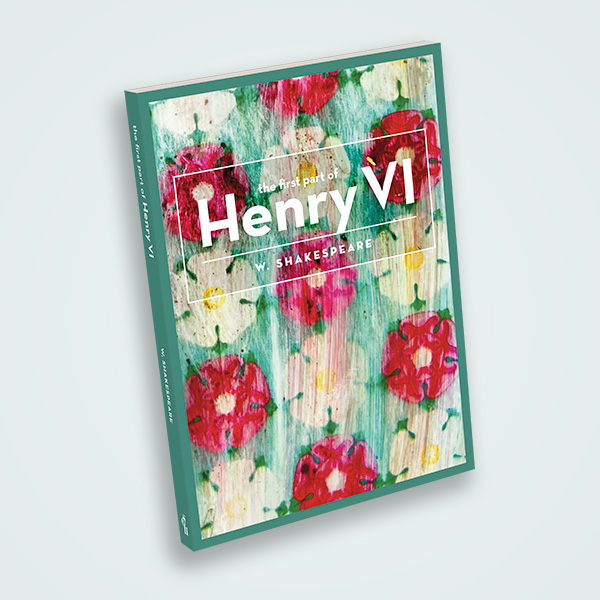
Henry VI - pt. 1 (1591–1592)
— 'Hung be the heavens with black: yield, day, to night!'
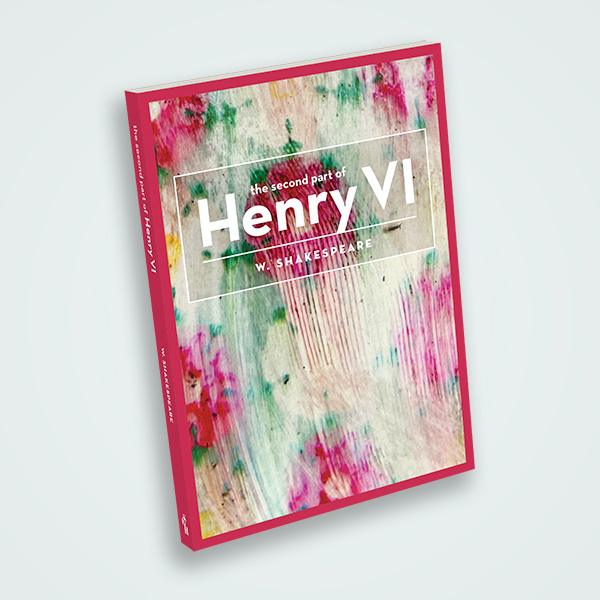
Henry VI - pt. 2 (1591–1592)
— 'As by your high imperial majesty…'
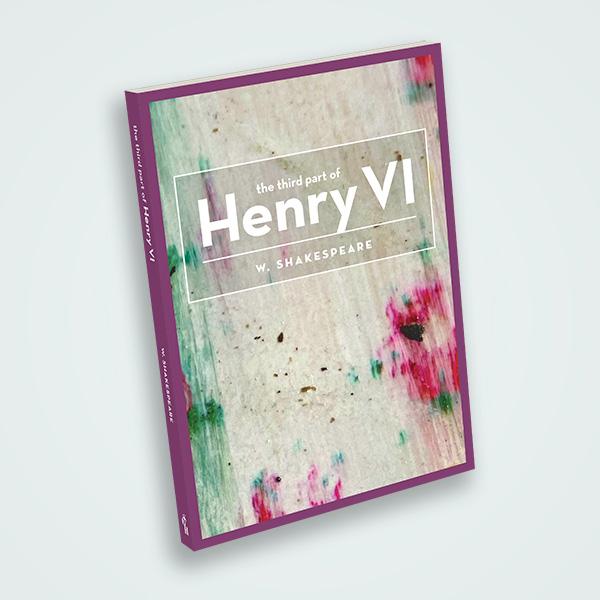
Henry VI - pt. 3 (1591–1592)
— 'I wonder how the king escaped our hands'
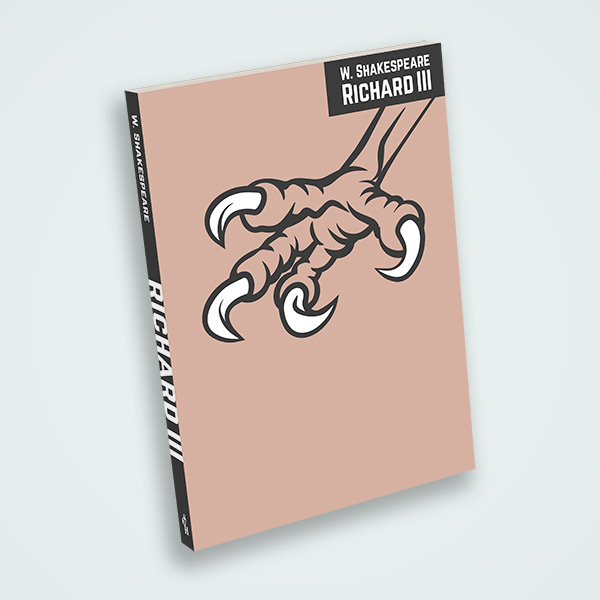
Richard III (1592–1593)
— 'Now is the winter of our discontent — made glorious summer by this son of York'
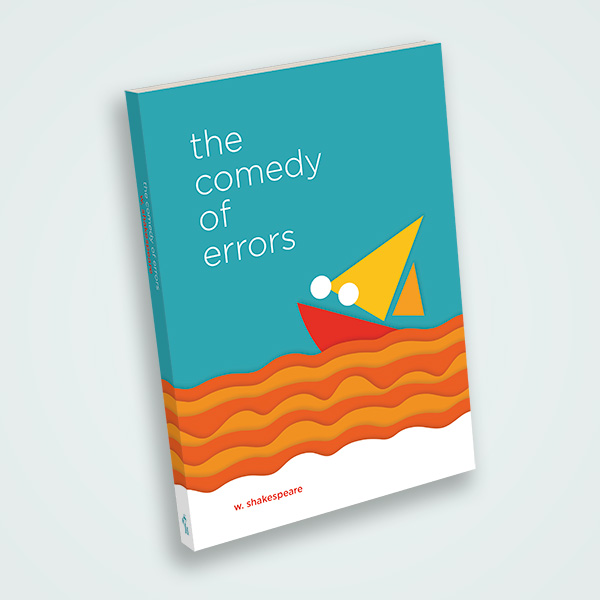
The Comedy of Errors (1592–1593)
— 'Proceed, Solinus, to procure my fall…'
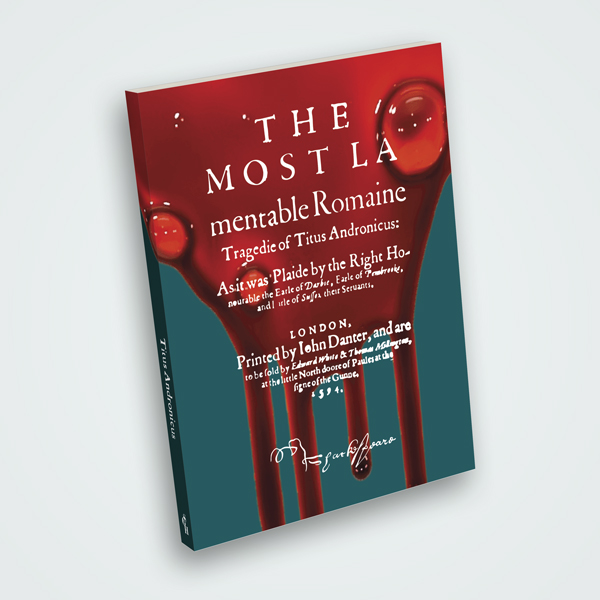
Titus Andronicus (1593–1594)
— 'Noble patricians, patrons of my right'
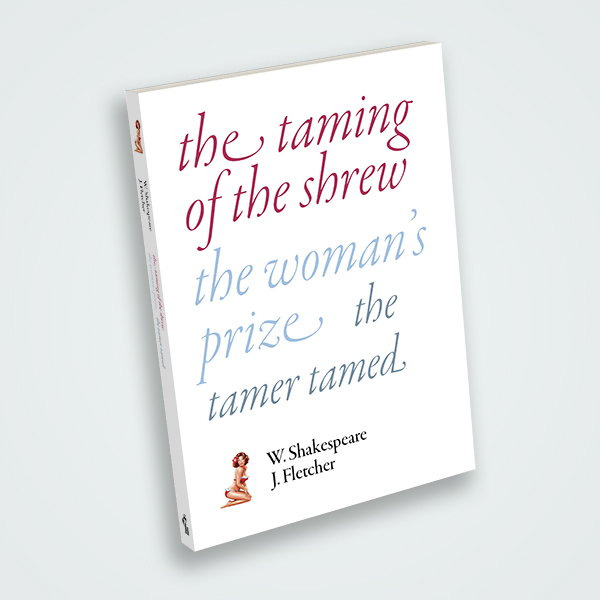
The Taming of the Shrew (1593–1594)
— 'I'll pheeze you, in faith.'
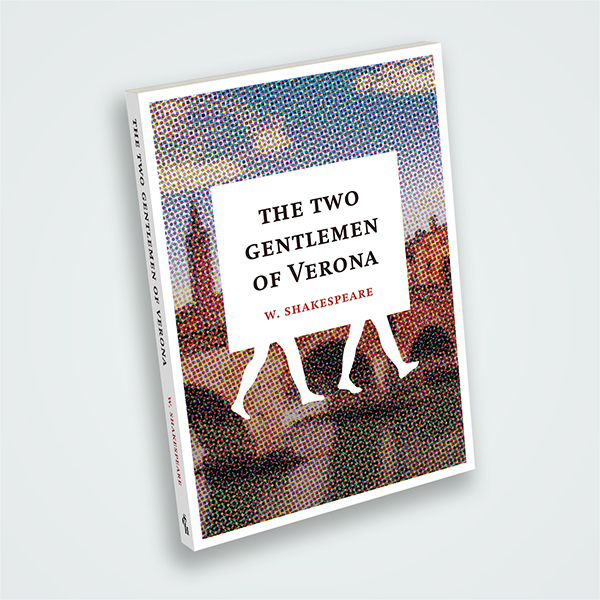
The Two Gentlemen of Verona (1594–1595)
— 'Cease to persuade, my loving Proteus…'
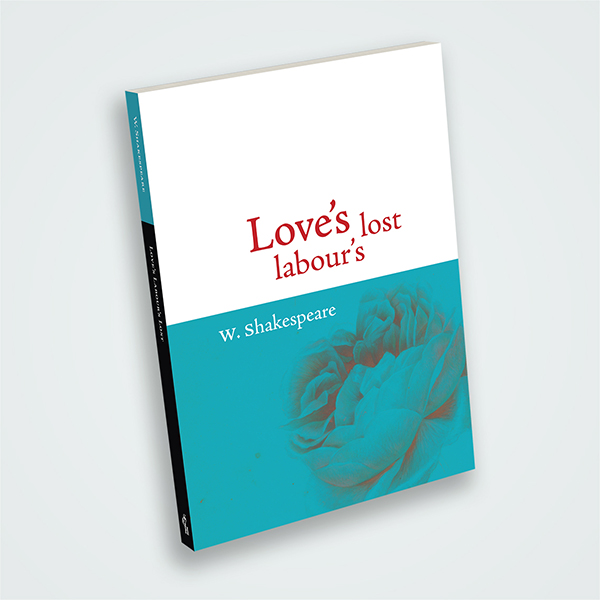
Love's Labours Lost (1594–1595)
— 'Let fame, that all hunt after in their lives, live registered upon our brazen tombs…'
Romeo and Juliet (1594–1595)
— 'Two households, both alike in dignity – In fair Verona, where we lay our scene'
.jpg)
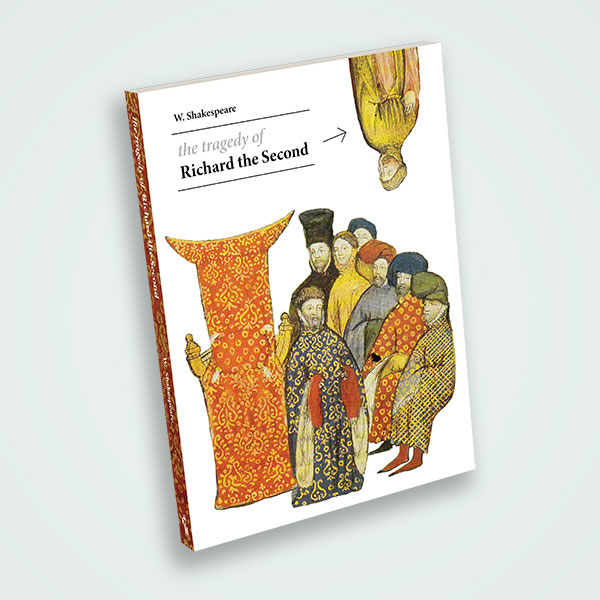
Richard II (1595–1596)
— 'Old John of Gaunt, time-honoured Lancaster…'
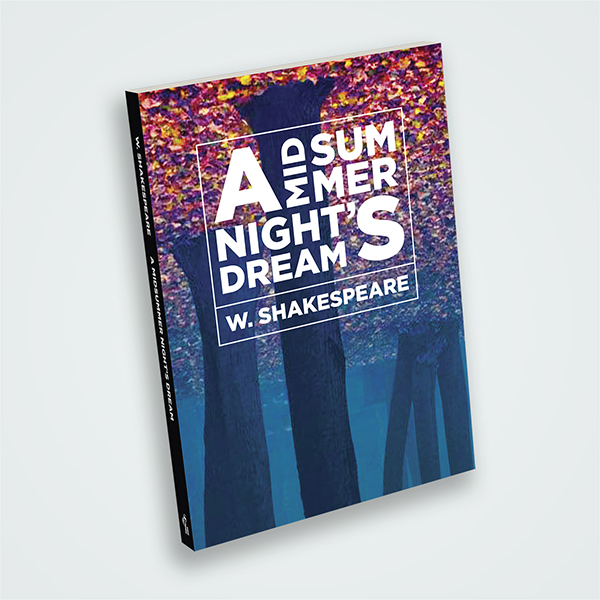
A Midsummer Night's Dream (1595–1596)
— 'Now, fair Hippolyta, our nuptial hour draws on apace…'
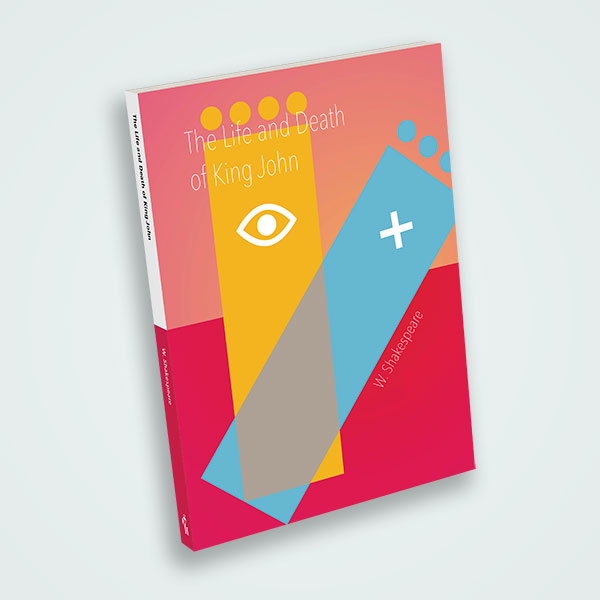
King John (1596–1597)
— 'Now, say, Chatillon, what would France with us?'
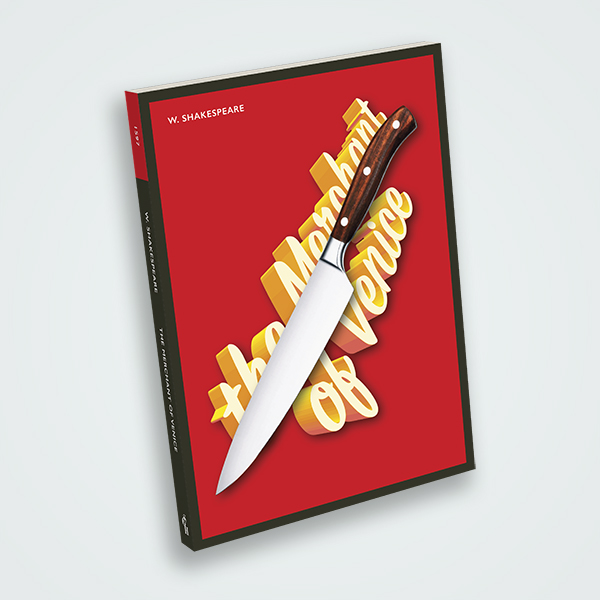
The Merchant of Venice (1596–1597)
— 'In sooth I know not why I am so sad.'
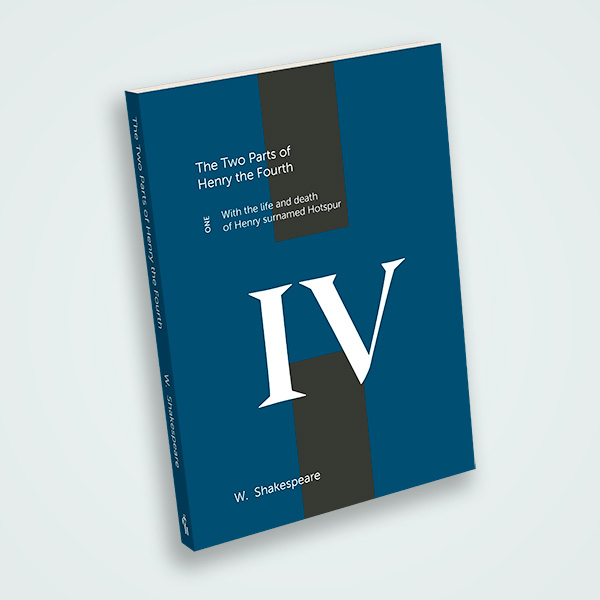
Henry IV - pt. 1 (1597–1598)
— 'So shaken as we are, so wan with care'
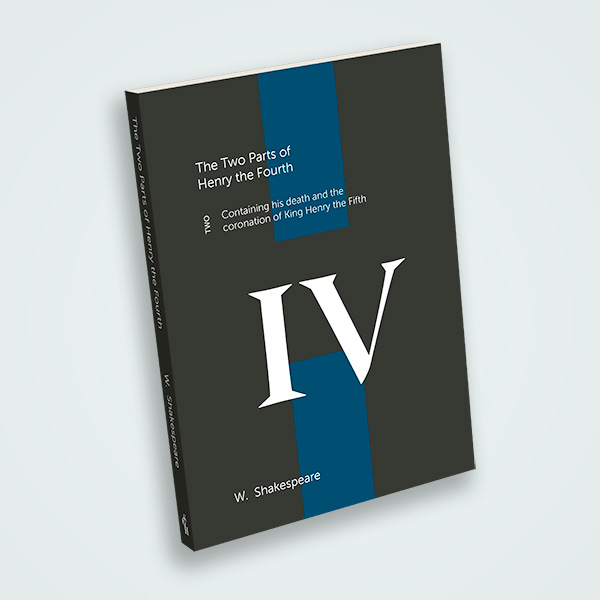
Henry IV - pt. 2 (1597–1598)
— 'Open your ears, for which of you will stop'
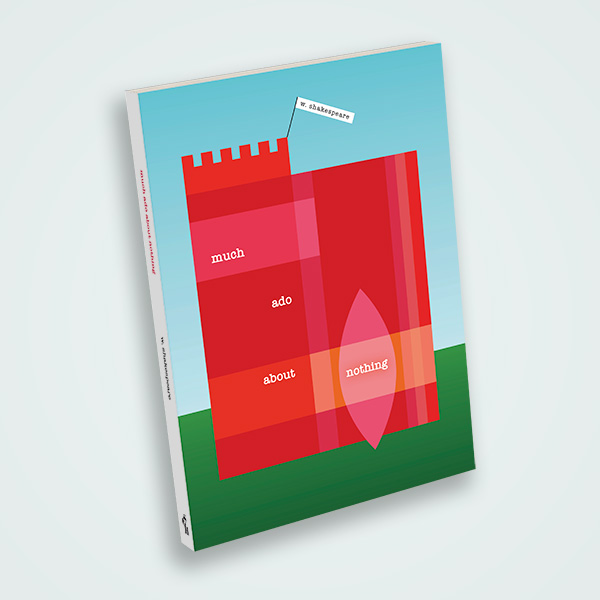
Much Ado About Nothing (1598–1599)
— 'I learn in this letter that Don Peter of Aragon comes this night to Messina.'
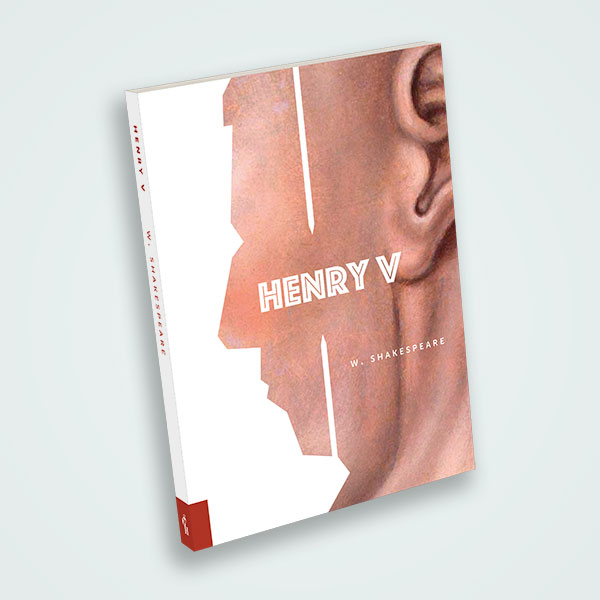
Henry V (1598–1599)
— 'O, for a muse of fire, that would ascend the brightest heaven of invention'
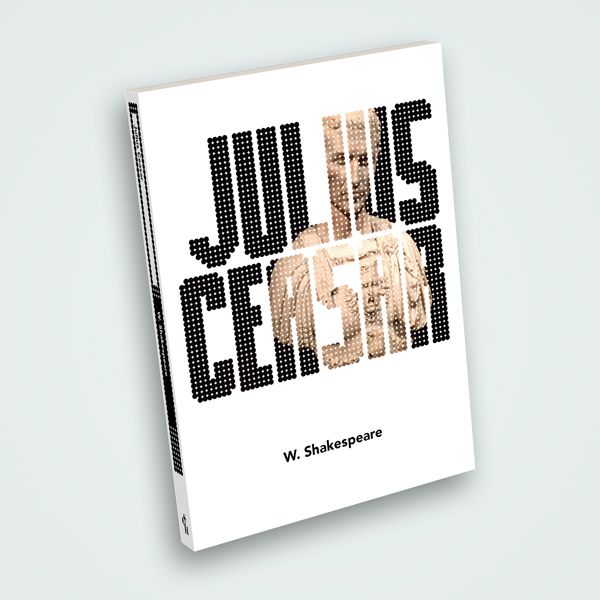
Julius Ceasar (1599–1600)
— 'Hence! Home, you idle creatures, get you home…'
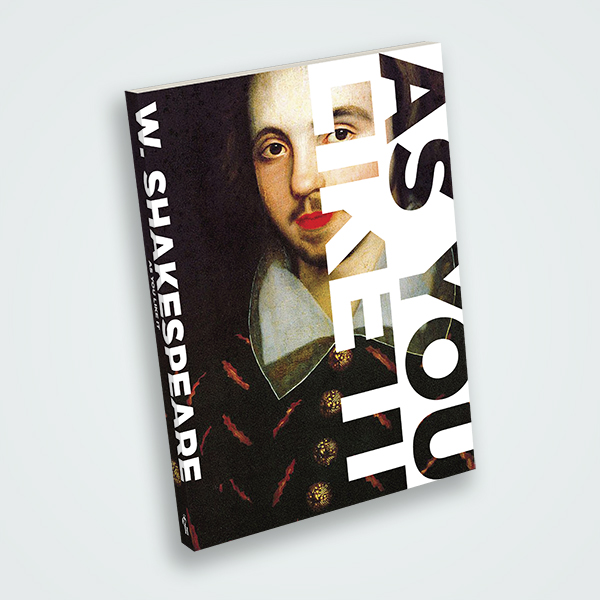
As You Like It (1599–1600)
— 'As I remember, Adam, it was upon this fashion bequeathed me by will but poor a thousand crowns…'
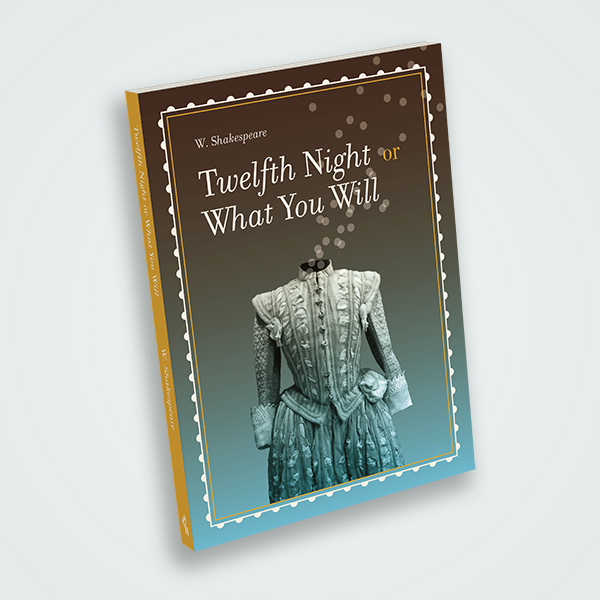
Twelfth Night (1599–1600)
— 'If music be the food of love, play on.'
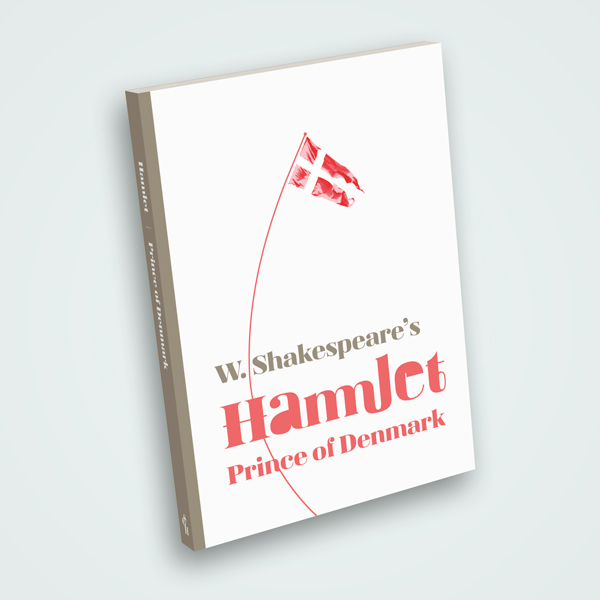
Hamlet (1600–1601)
— 'Who's there?' 'Nay, answer me: stand and unfold yourself'
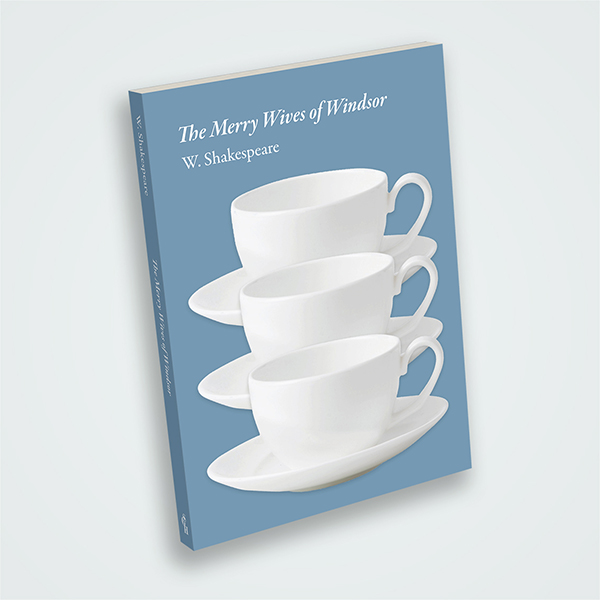
The Merry Wives of Windsor (1600–1601)
— 'Sir Hugh, persuade me not.'
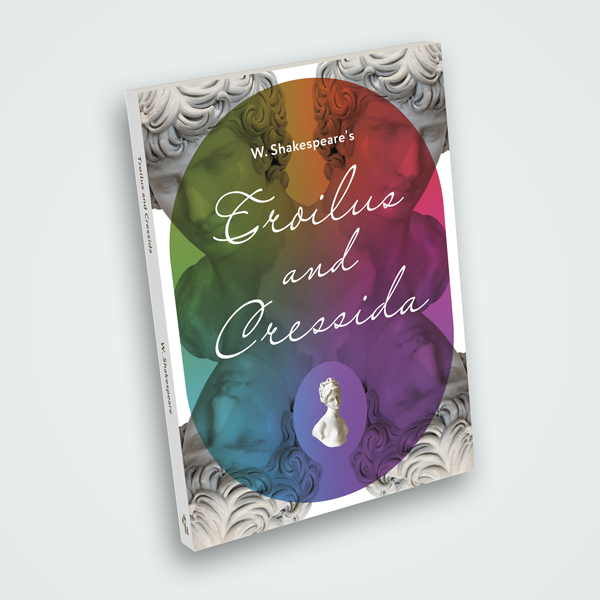
Troilus and Cressida (1601–1602)
— 'In Troy there lies the scene, from isles of Greece'
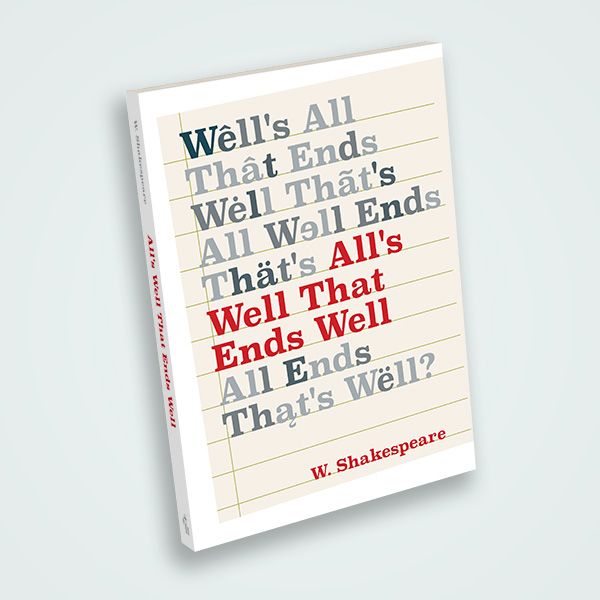
All's Well That Ends Well (1602–1603)
— 'In delivering my son from me, I bury a second husband.'
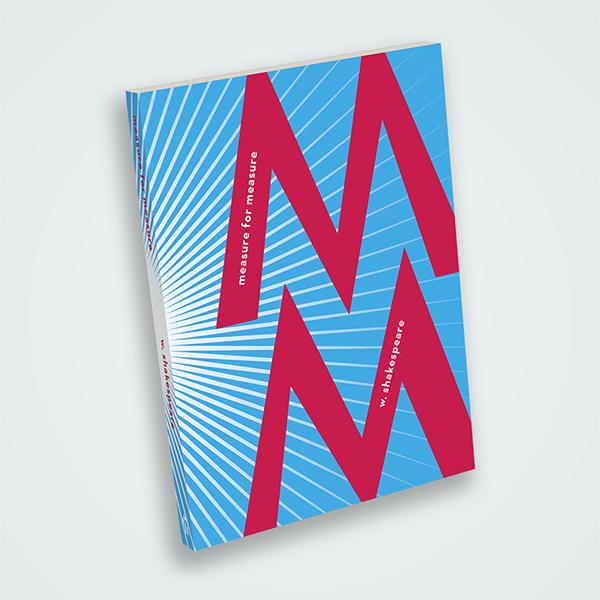
Measure for Measure (1604–1605)
— 'Escalus.' 'My lord.'
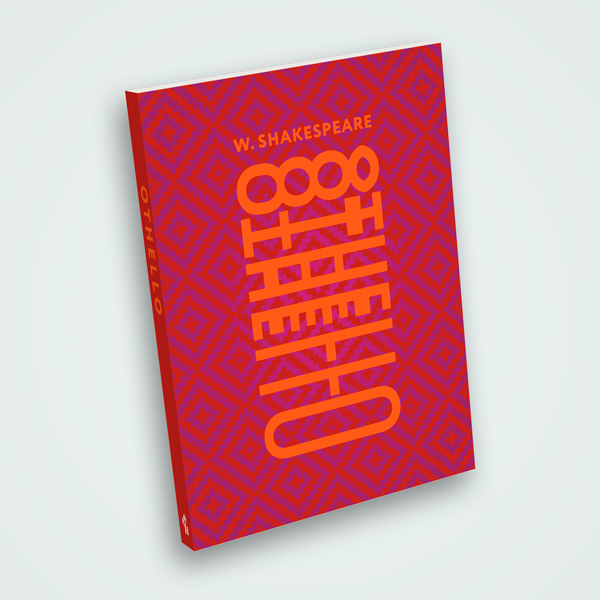
Othello (1604–1605)
— 'Never tell me! I take it much unlikely'
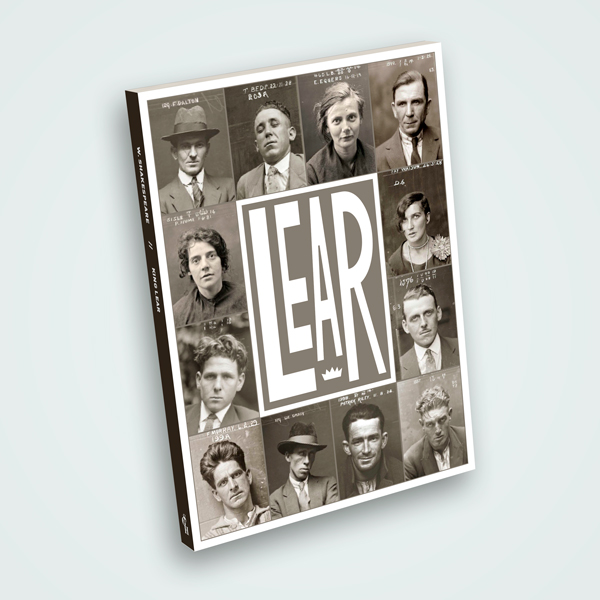
King Lear (1605–1606)
— 'I thought the king had more affected the Duke of Albany than Cornwall'
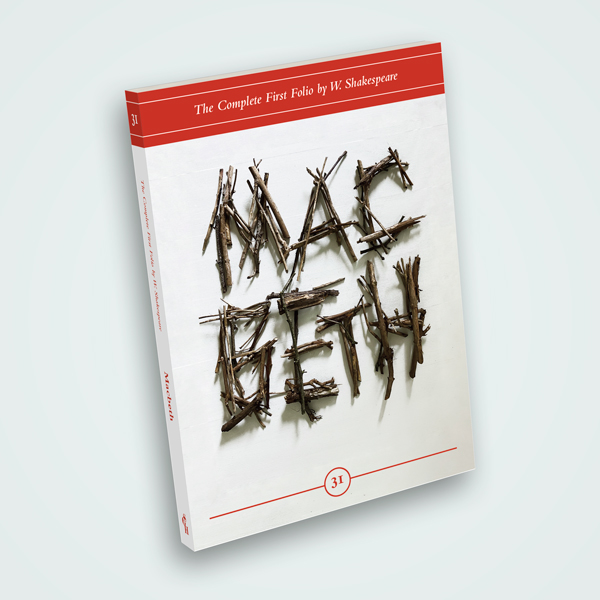
Macbeth (1605–1606)
— 'When shall we three meet again?'
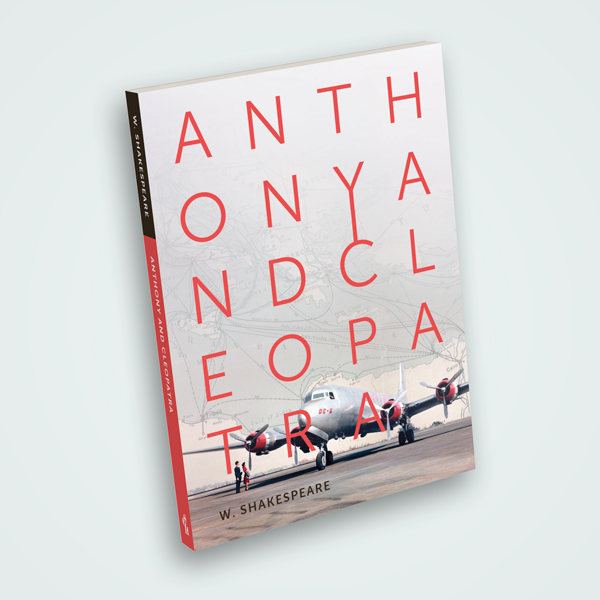
Anthony and Cleopatra (1606–1607)
— 'Nay, but this dotage of our general's o'erflows the measure'
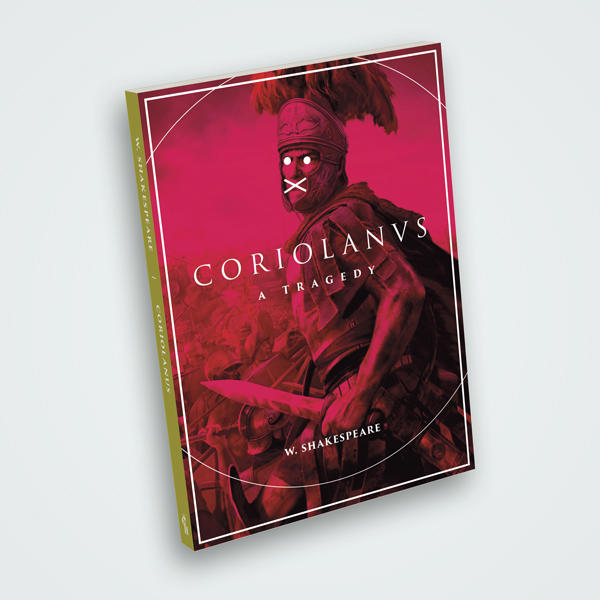
Coriolanus (1607–1608)
— 'Before we proceed any further, hear me speak'
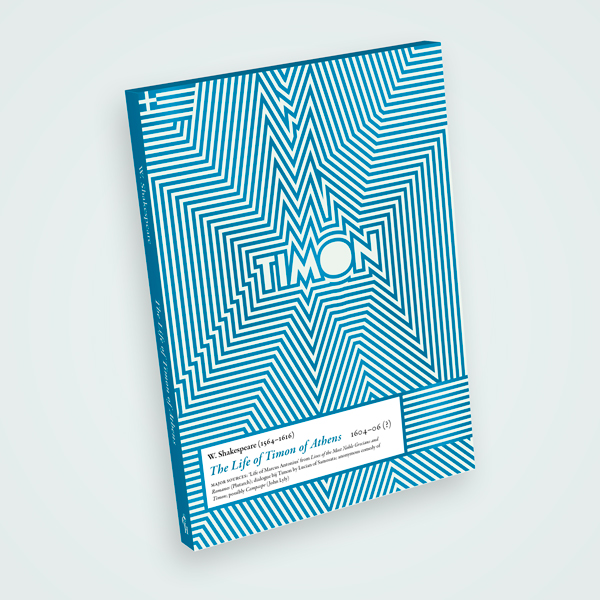
Timon of Athens (1607–1608)
— 'Good day, sir' – 'I am glad you're well'
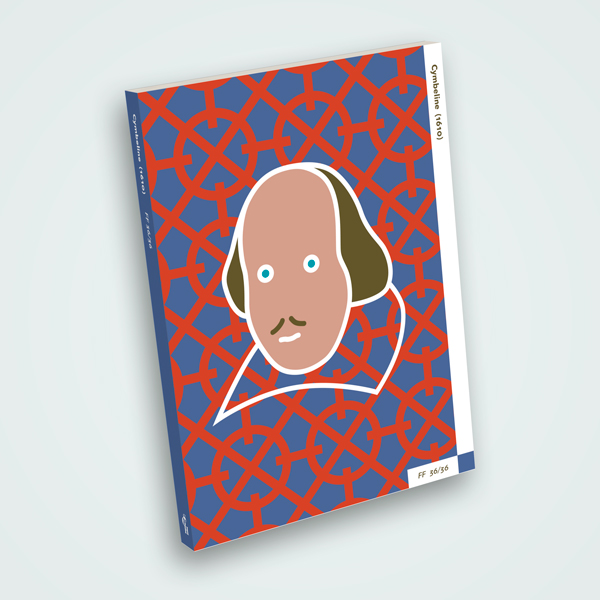
Cymbaline (1609–1610)
— 'You do not meet a man but frowns'
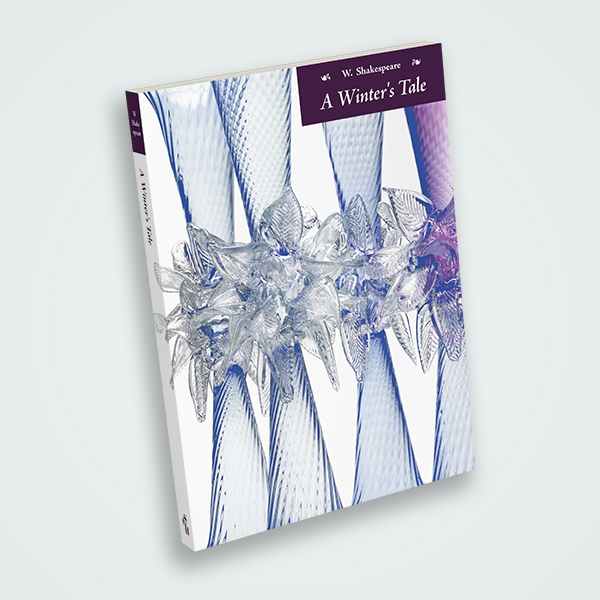
A Winter's Tale (1610–1611)
— 'Nine changes of the wat’ry star hath been…'
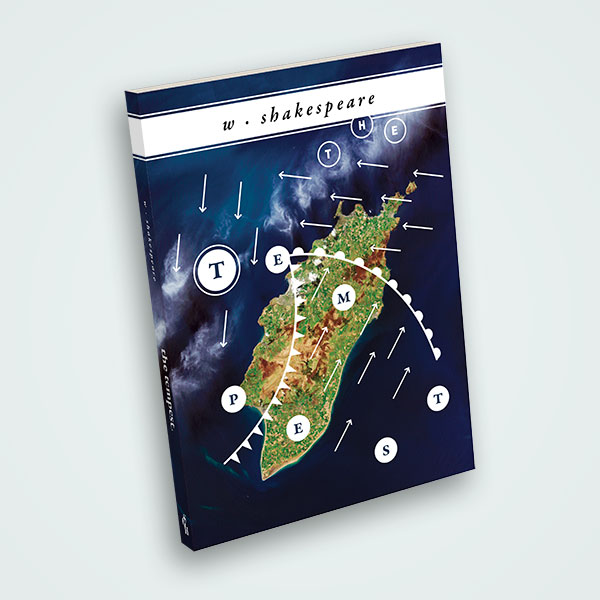
The Tempest (1611–1612)
— 'Boatswain!' 'Here, master. What cheer?'
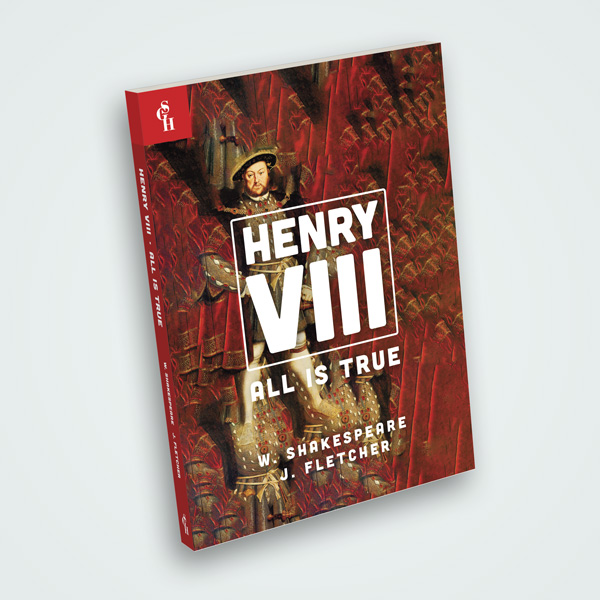
Henry VIII (1612–1613)
— 'I come no more to make you laugh'
Deze concepten zijn met gebruikmaking van de meest diverse bronnen tot stand gekomen. Dat heb ik zo zorgvuldig mogelijk gedaan. Als je denkt dat ik bepaald beeldmateriaal onrechtmatig heb gebruikt, zou ik je willen vragen contact met me op te nemen,